
Predator: Complete Protection System
Protect your industrial assets with Viper Imaging’s Predator series. Our complete kits include thermal and/or visual cameras, an environmentally rated enclosure, and all necessary mounting hardware.
General Industrial Areas
Hazardous Areas
High-Temp & Chemically Aggressive Areas
Viper Predator: Industrial Hot Spot Detection Since 2019
Viper Imaging launched the Viper Predator System on June 24, 2019, to meet a need for powerful, uncomplicated industrial hot spot detection. Designed as a simple, out-of-the-box solution, Predator Kits use thermal imaging to continuously monitor temperatures and identify hot spots before they develop into larger problems.
The first Predator Kit was deployed in 2019. Since then, Viper Imaging Predator systems have been used in steel mills, scrap metal and recycling operations, wood products facilities, petrochemical plants, and manufacturing environments.
The popularity of the original Viper Predator System has driven its evolution into three distinct Predator Kits, each designed for specific applications and environments. Additional customization options help customers meet their monitoring objectives.
It is simple to operate and functions as advertised.
Complete Monitoring System
Viper Predator Kits make it easy to protect your industrial assets. These systems include thermal and/or visual cameras, an environmentally rated enclosure, and mounting hardware.
Our ViperVenom Enclosures provide effective camera protection. Here are the tested and proven operating temperature ranges:
- ViperVenom Compact: 5°F – 155°F / -15°C – 68.3°C
- ViperVenom Mid-Size and Full Size: 5°F – 140°F / -15°C – 60°C
Additional kit options are available for software and customization to specific applications and environments.

Additional system options:
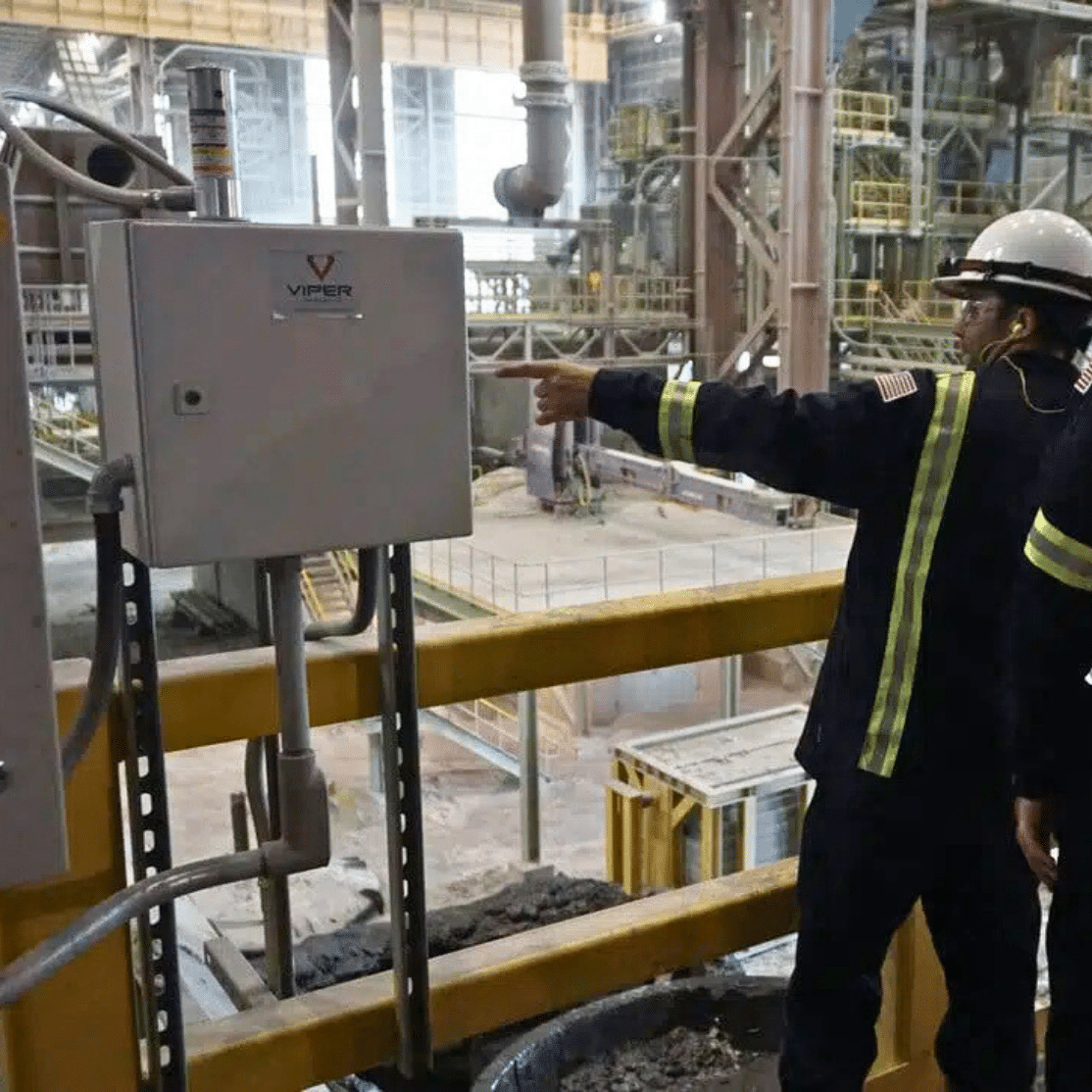
Control Box

Air Kit for ViperVenom camera enclosures
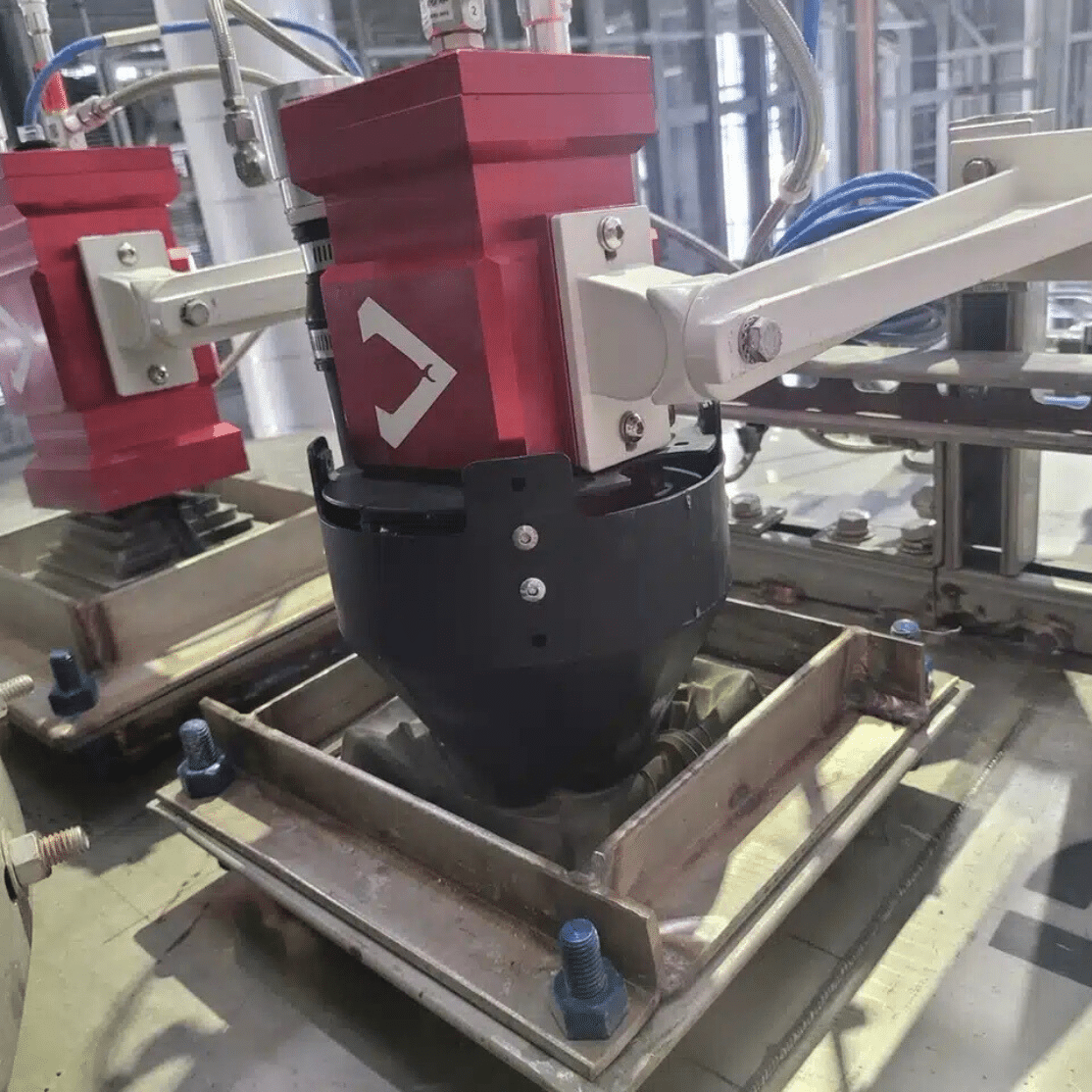
ViperVenom with Air Intensifier
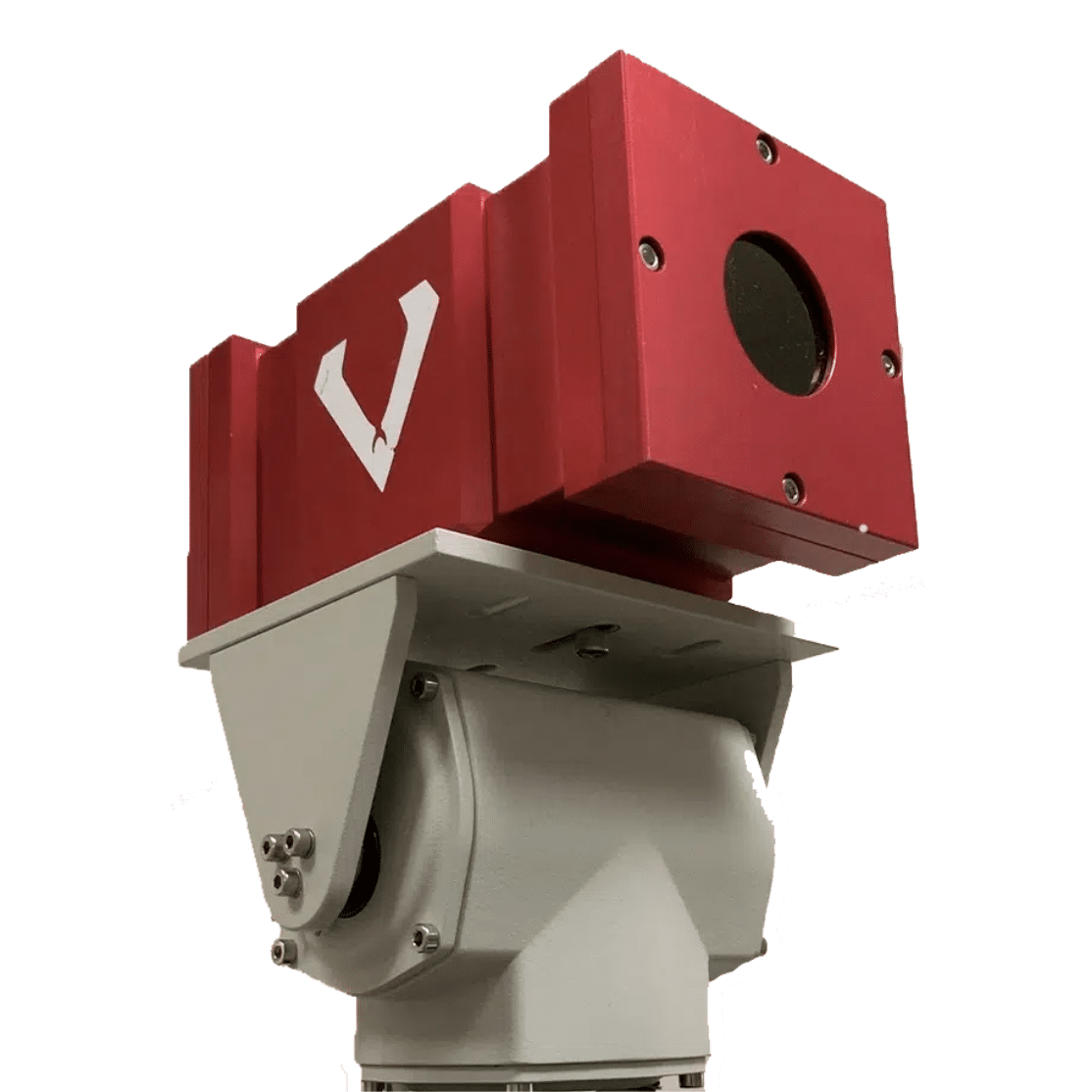
Pan Tilt (PTZ) mount

ViperVenom with Purge Kit
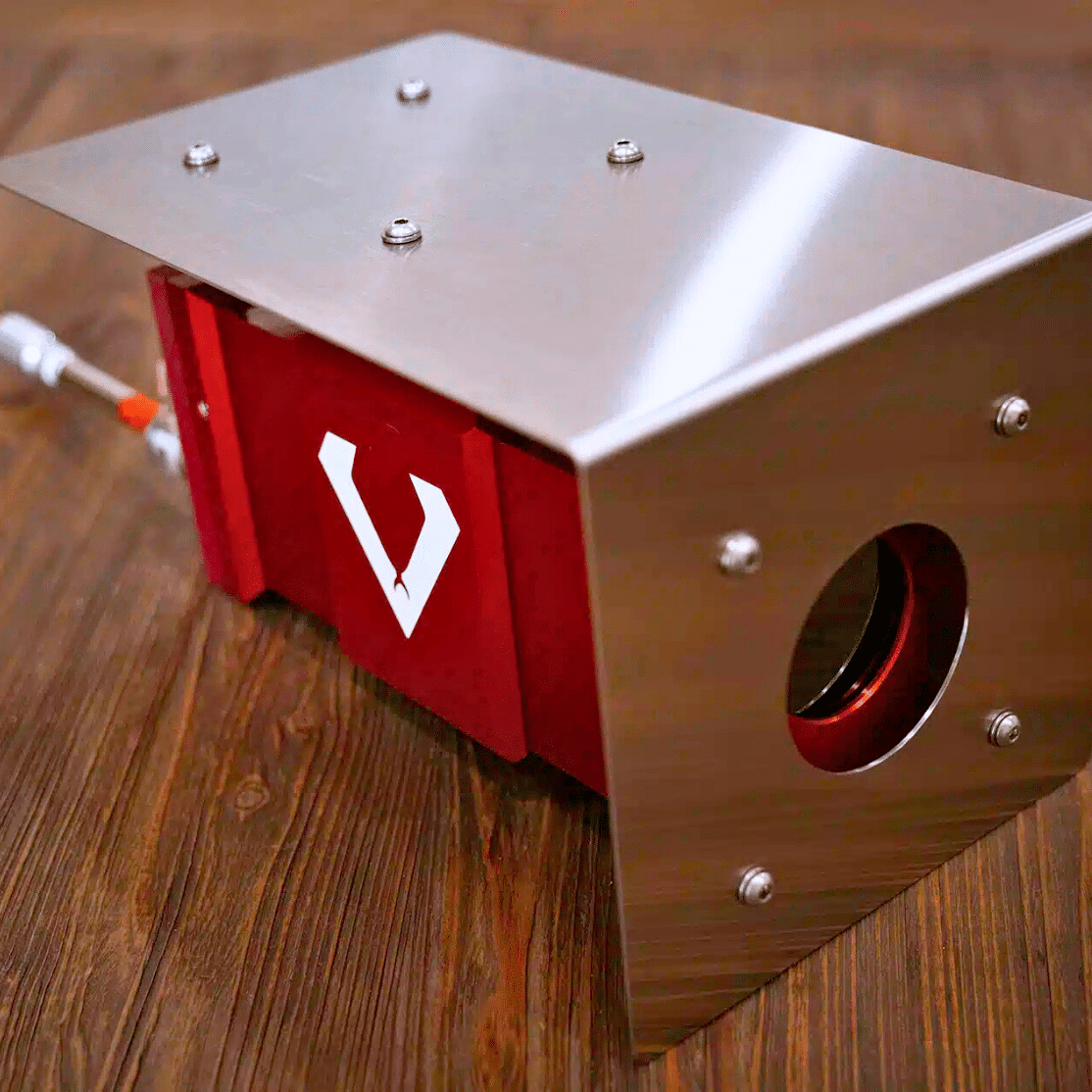
ViperVenom enclosure with Air and Heat Shield
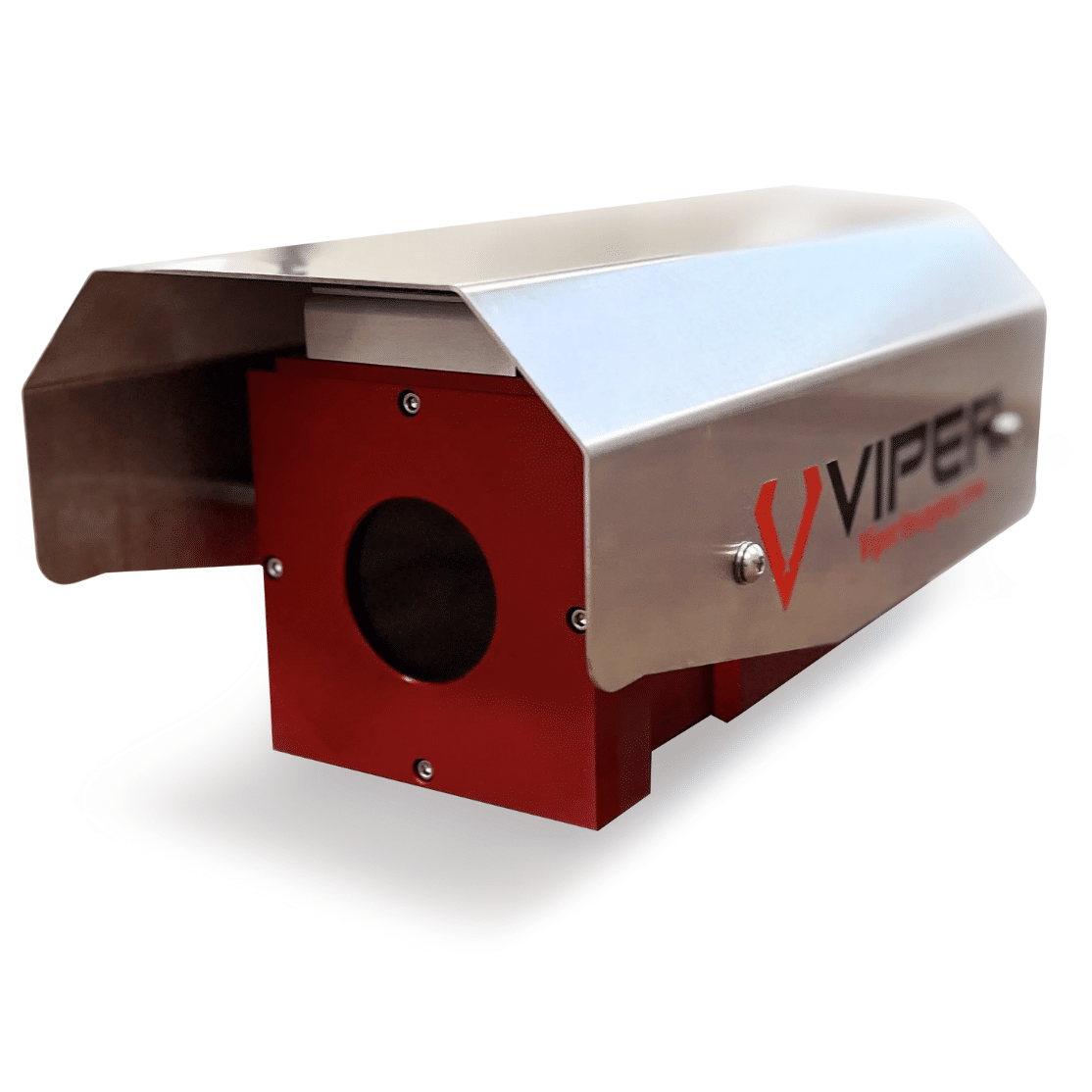
ViperVenom with Sunshade

6+ Window Options
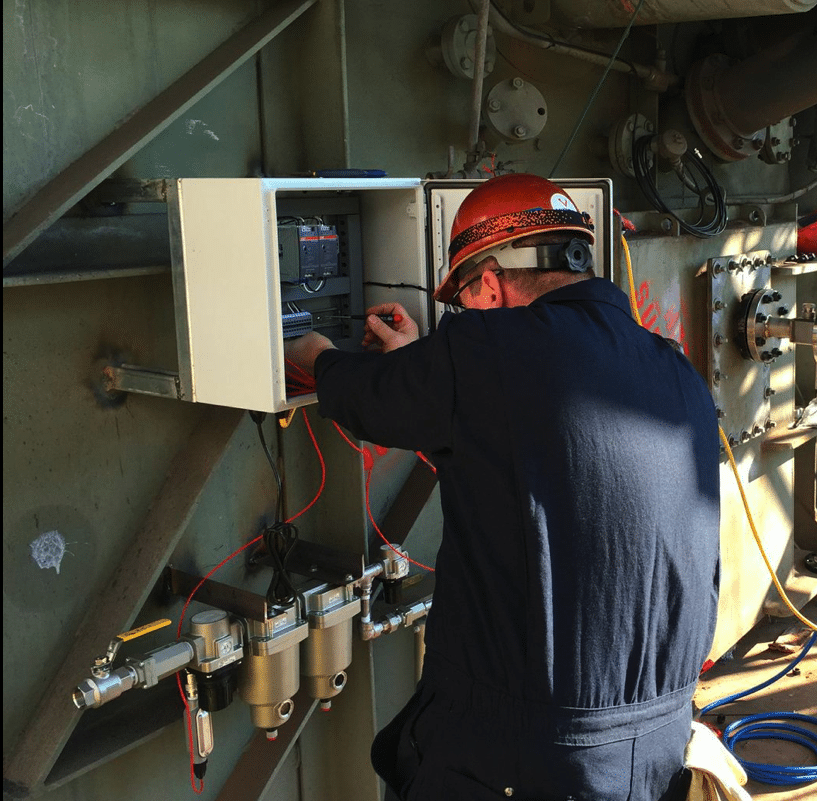
Viper Services - inspection and calibration
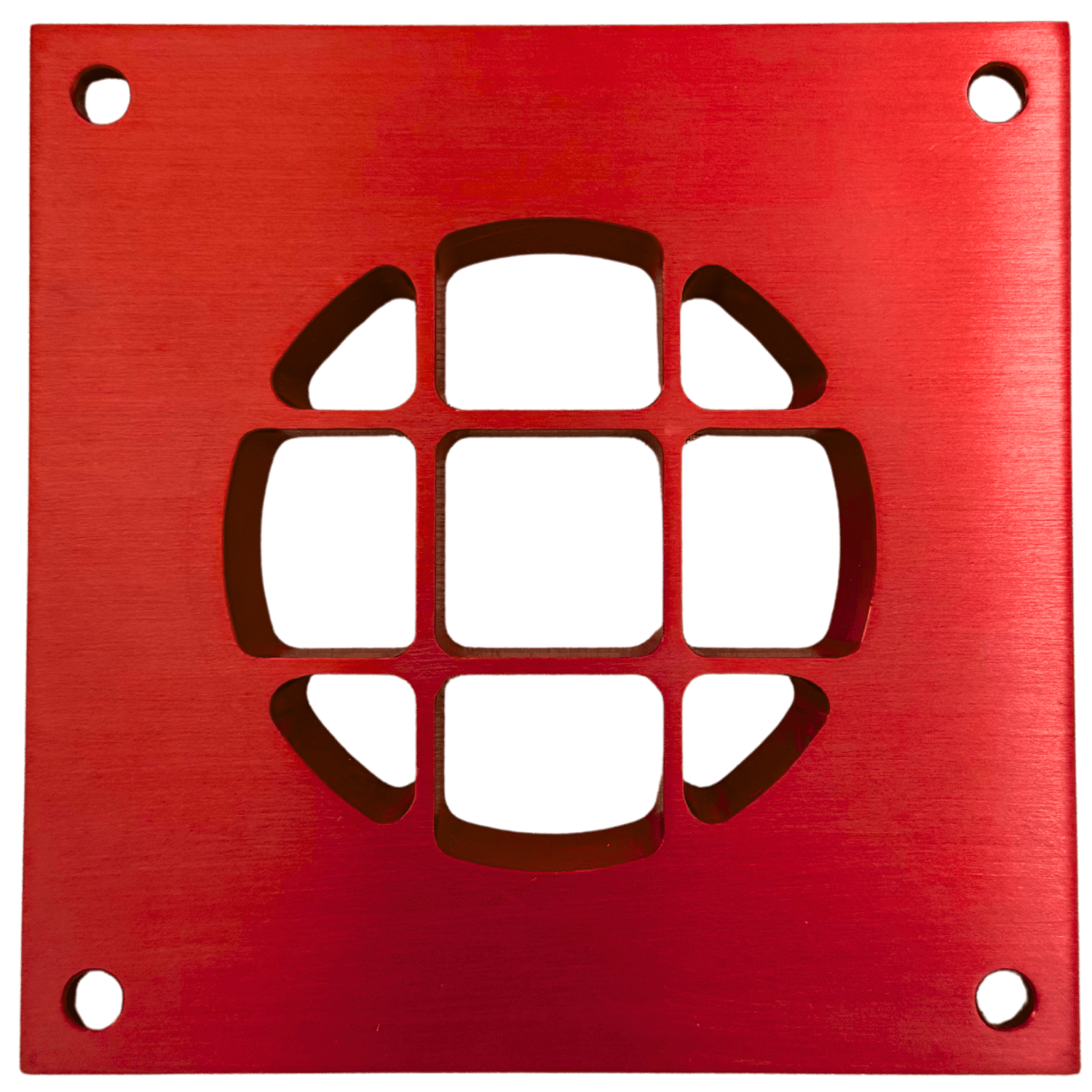
Window Protection Grid
Predator™ Kits FAQs
How can industrial facilities monitor critical equipment for overheating and potential failures?
Industrial facilities can use fixed thermal imaging systems to continuously monitor critical equipment for abnormal temperatures, hot spots, and early signs of failure. Our Predator™ Kits combine thermal cameras, protective industrial enclosures, and ViperVision™ software to provide real-time temperature monitoring and automated alerts, helping maintenance teams identify potential issues before they result in costly downtime or equipment damage.
How can manufacturers reduce unplanned downtime with continuous thermal monitoring?
Continuous thermal monitoring helps manufacturers identify overheating, equipment abnormalities, and process temperature changes before they cause unexpected shutdowns.
Viper Predator™ Kits provide real-time temperature data and automated alarms, allowing maintenance teams to investigate developing problems, schedule repairs, and reduce the risk of costly equipment failures.
Can a Viper thermal monitoring system integrate with a plant's existing control system?
Yes. Viper Imaging’s thermal monitoring systems use ViperVision™ software to integrate with existing PLC, SCADA, and industrial control systems. Supporting communication protocols such as OPC DA/UA, Modbus, and PLC communications, ViperVision™ allows facilities to incorporate real-time temperature data, automated alarms, and monitoring information into their existing control infrastructure without requiring a complete system overhaul.
Do Viper monitoring systems require compressed air?
Not all Viper monitoring systems require compressed air. Depending on the application and operating environment, compressed air may be used for camera cooling, enclosure purging, or keeping the viewing window clear of dust and debris.
Our Predator™ Kits offer configurable air knives, air intensifiers, and air-cooling options. Air consumption and pressure requirements vary based on the enclosure type, accessories, and environmental conditions. Viper Imaging can help determine the appropriate airflow and pressure requirements for your specific installation.
Do Viper monitoring systems require water cooling?
No, Viper monitoring systems do not require water cooling. Depending on the application and operating environment, we offer both air-cooled and liquid-cooled enclosure options. Our Predator™ Kits can be configured to meet different environmental requirements, with select Inox Predator™ enclosures featuring liquid cooling for demanding high-temperature applications. Cooling requirements depend on ambient temperature, enclosure type, and specific monitoring needs.
Can thermal cameras detect gas leaks?
Yes. Thermal imaging cameras equipped with specialized detection technology and software can identify and visualize certain gas leaks and emissions.
Viper Imaging’s ViperVision™ IQ software package includes advanced tools such as OGI Detect and Flare Monitoring, leveraging Aquanta Vision’s PAM (Pixel Analysis Mode) technology and VisionAery integration.
These capabilities enable automated gas leak detection, emissions monitoring, and flare analysis, helping industrial facilities improve safety, identify potential hazards, and enhance environmental compliance.
Can thermal cameras monitor industrial equipment in dusty, wet, or high-temperature environments?
Yes. Industrial thermal cameras can be installed in harsh environments when equipped with appropriate protective enclosures and accessories. Predator™ Kits use IP67-rated ViperVenom™ enclosures to protect compatible cameras against dust and water ingress. Optional air protection accessories and window protection grids help maintain visibility in environments exposed to airborne debris and contaminants. High-temperature installations require application-specific thermal protection.
Can thermal cameras detect potential fires before smoke or flames appear?
Yes. Thermal imaging cameras can detect abnormal heat buildup before visible smoke or flames develop in some industrial fire scenarios. Viper Predator™ Kits support continuous temperature monitoring and automated alerts to help identify developing fire hazards in applications such as conveyor systems, material storage areas, recycling facilities, and industrial equipment.
What is the best thermal camera enclosure for harsh industrial environments?
The best industrial thermal camera enclosure depends on ambient temperatures, airborne contaminants, moisture exposure, and hazardous-area classifications.
Viper Imaging offers Predator™ Kits for general industrial environments, high-temperature and chemically aggressive area, and other hazardous-location protection. Each configuration helps protect monitoring equipment in demanding industrial settings.
What is the difference between fixed thermal monitoring and handheld thermal inspections?
Fixed thermal monitoring systems continuously monitor equipment and processes, while handheld thermal cameras require operators to perform periodic inspections. Fixed systems, such as our Predator™ Kits, are particularly useful for critical assets requiring 24/7 monitoring, automated temperature alerts, and integration with existing plant control systems.
Hot Spots = Indication of Problem Area
Thermal monitoring is a non-destructive and non-contact way to detect and document hot spots. Our high-performance infrared cameras have a broad range of temperature measurements and produce superior image quality. Proactive identification allows for planned corrective action.
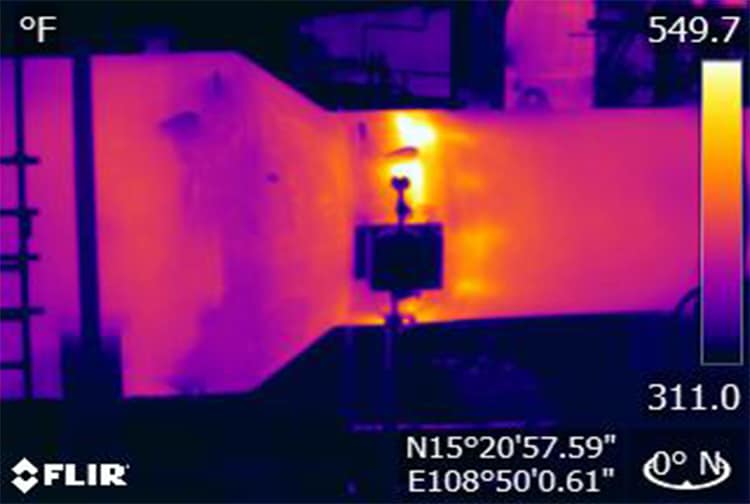
Refinery transfer line
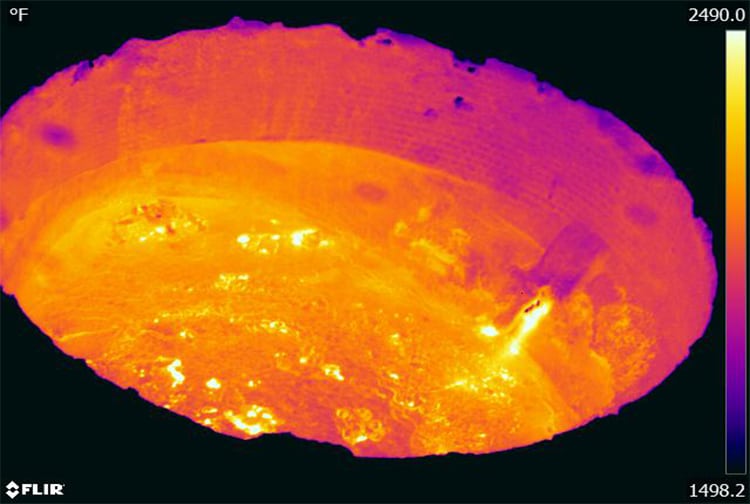
Ladle interior
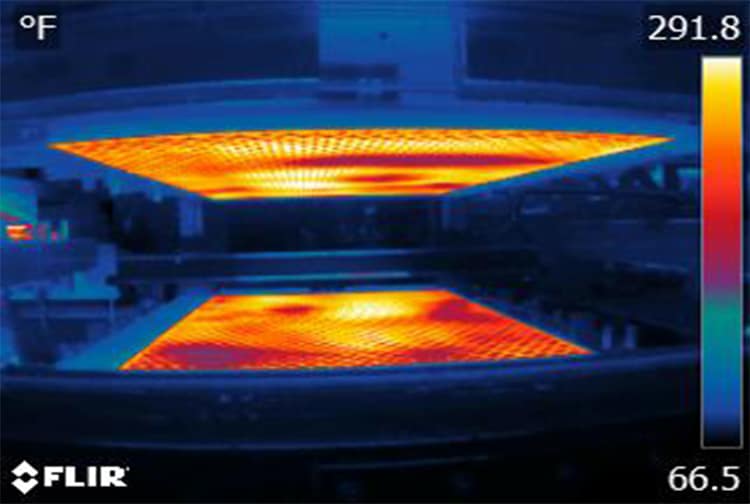
Plastic press
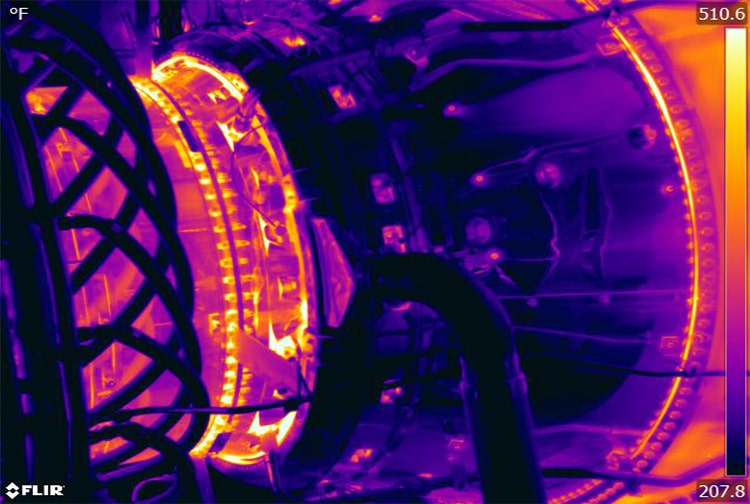
Power-generating turbine
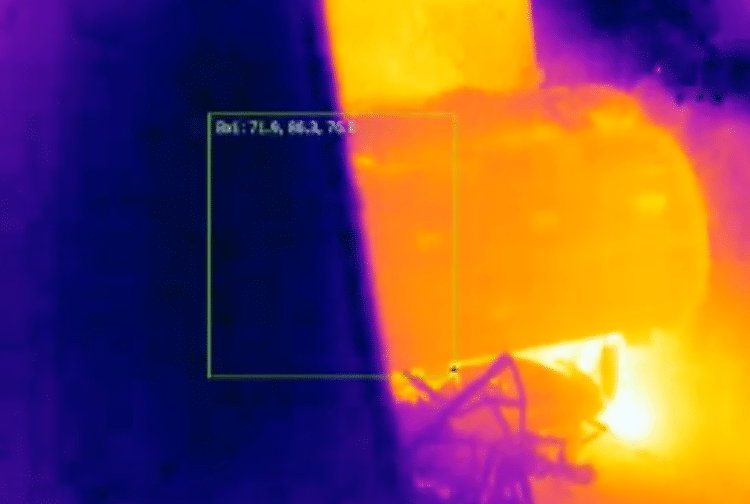
Scrap Metal Shredder